
Common Water Heater Problems: Troubleshooting Guide
Common Water Heater Problems: Troubleshooting Guide
Are you experiencing interruptions or issues with your hot water? From inconsistent temperatures and leaks to strange noises, problems with your water heater can not only disrupt your day but lead to more serious repair needs if left unaddressed.
In this article, we’ll walk through how you can identify and address common water heater problems. Always consult with a plumbing professional for repair, maintenance and replacement of hot water heaters. Many problems can be more complex beneath the surface, and improper or DIY servicing can become dangerous and void warranties.
Routine Maintenance Is Essential
To keep your water heater running efficiently long-term, schedule yearly maintenance such as flushing the tank of minerals that cause scaling — especially if your heater is old or your energy bills are higher than usual.
Contact Kinetico to learn about our plumbing services and comprehensive 12-point inspection, available at select AWS locations.
1. Water Temperature Problems
Issues with water temperature are a common sign that your water heater isn’t working properly. For example, running out of hot water completely or too quickly, inconsistent temperature and rising energy bills without a change in water use.
Sediment buildup from hard water minerals, aging components and a lack of routine maintenance all can impact how efficiently your water heater operates.
Always running out of hot water but your heater is optimally set up? You may need to upgrade the size of your tank water heater, or switch to a tankless model for unlimited hot water on demand.
Inconsistent Water Temperature
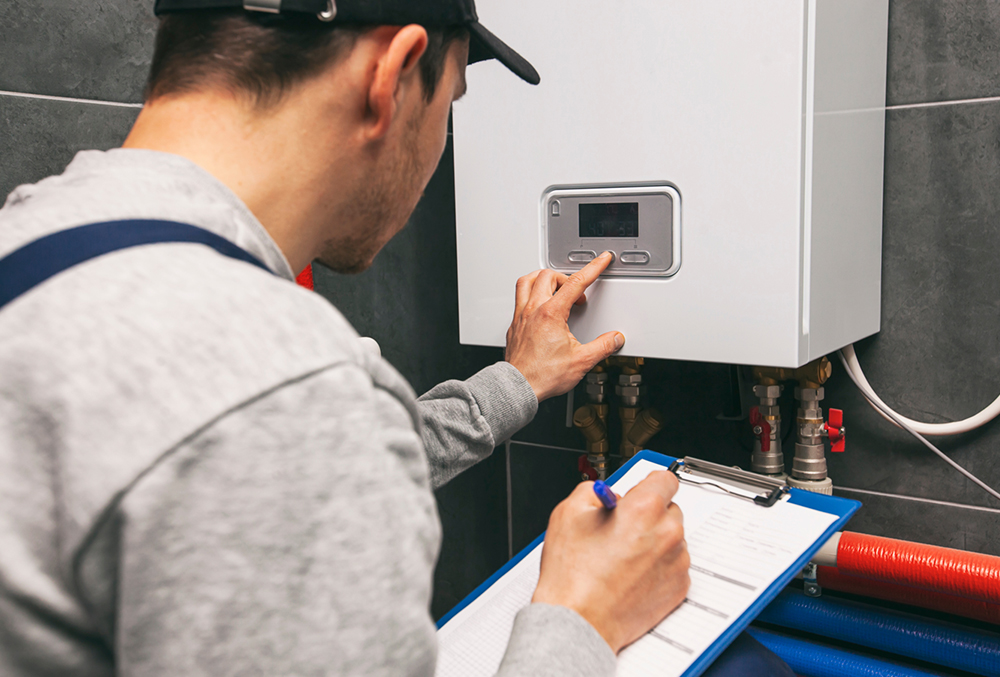
Water too hot or cold? Check the high-temperature limit and thermostat on the water heater. The recommended maximum thermostat setting is 120°F (49°C) to prevent burns and scalding, according to the U.S. Department of Energy.
For electric heaters, the high-limit switch can be manually reset, though for gas this is typically automatic, based on temperature and pressure, and not resettable by the homeowner.
The high-temperature limit is a safety feature and will generally be higher than the thermostat, to prevent overheating. The limiter is usually built into the thermostat assembly behind the access panel.
Tankless water heaters use a more complicated set of sensors and safety lockouts, preventing a high-limit temperature reset. Check for an error code, blinking or changed indicator light color (such as solid red instead of green), according to the manufacturer’s instructions.
Homeowners can safely perform a single power cycle to try resetting the error code or light. Persistent shutdowns or returning error codes may indicate more serious conditions that require professional service.
No Hot Water
A lack of hot water can have several causes, including a damaged or broken heating element, which must be fixed by a plumbing professional.
If you have an electric water heater and don’t have any hot water, first check the breaker box to see if it tripped and needs to be reset.
For gas water heaters, check for issues with the pilot light, ignition system or gas connection. If your unit uses a pilot light, confirm whether it has gone out. Avoid DIY repairs outside of basic adjustments listed in the manufacturer’s manual.
Pilot lights repeatedly going out often indicate deeper problems with the unit and will need professional servicing.
Always exercise caution and if you smell or see gas around the heater, evacuate and call 911 or your gas company immediately.
Water lines connected to the heater can freeze in colder conditions, especially if the unit is located in an unheated space like a basement or garage. Wait for the lines to thaw or contact a professional for service, as improper thawing can cause injury or serious plumbing damage.
Note that tank water heaters typically have a capacity of 40 to 80 gallons of water, depending on household size. If you’ve used up all of your hot water, you’ll need to wait for it to refill and reheat.
2. Water Leaks
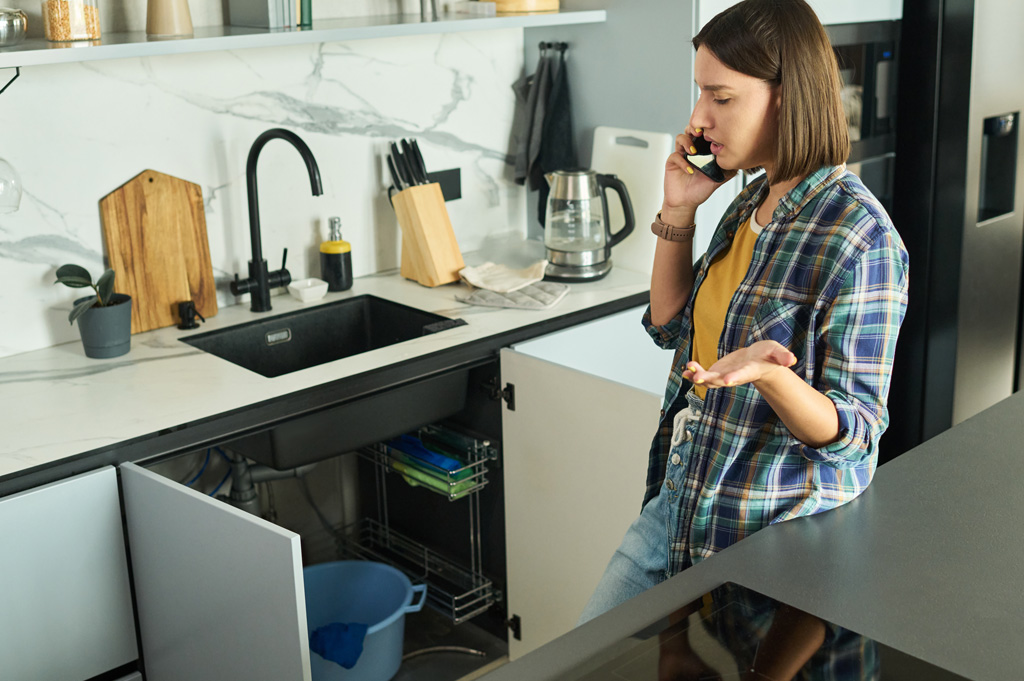
Small or severe, water heater leaks should never be ignored — for both water heaters and boilers. Even a small leak can indicate damage to internal components, cause water loss, corrosion and damage to your home.
Common Sources of Water Heater Leaks
Many factors can cause leaks in water heaters. Below is a short list of a few reasons your heater may be leaking, though to repair and get an accurate, full picture it’s best to contact your licensed plumber.
- Drain Valve: Worn seals & mineral buildup can cause dripping and slow leaks (for tank water heaters)
- Temperature & Pressure Relief Valve: Designed to release water when temperature or pressure inside the water heater becomes too high; discharge may indicate a safety response or an issue with the valve
- Inlet and Outlet Connections: Aging seals, loose fittings and pipe corrosion at the water connection points can cause leaks during use
- Failed Internal Seals: Worn gaskets and seals around heating elements (electric water heaters)
- Sediment Buildup and Scaling: Causes inconsistent heating, requiring greater energy use to heat, which can accelerate corrosion on the heating element or internal components (tank water heaters)
- Cracked Tank: Due to age or corrosion, requiring replacement (tank water heaters)
- Condensation: May be mistaken for a leak, especially in humid environments
- Anode Rod Deterioration: Rod failure contributes to corrosion and rusting, which can cause leaks and water that’s discolored or smells like rotten eggs (tank water heaters)
3. Low Water Pressure
Low hot water pressure often comes from buildup of minerals and sediment in the water heater and pipes, reducing flow, as well as within fixtures like showerheads. A partially closed water supply valve can also cause low pressure. These valves are found at the water heater, under the sink and at the main shut-off for your home’s water.
Other causes of low water pressure include leaks, pipe corrosion and issues with the pressure regulating valve, which helps maintain safe tap water pressure. A full plumbing system inspection may be necessary to determine the origin of your water pressure issues.
4. Strange Noises
Hearing the following types of noises can indicate internal problems with the water heater, often because of sediment accumulation or system stress. Left unaddressed, these conditions can reduce your heater’s efficiency and shorten the overall appliance lifespan.
- Rumbling: From hardened sediment at the bottom of the tank (for gas and electric tank water heaters)
- Whistling or screeching: From restricted water flow or a faulty T&P relief valve due to partially closed valves or scale buildup (tank and tankless water heaters)
- Crackling or popping: Mineral deposits can trap water which turn into steam during heating (gas and electric tank water heaters)
- Ticking: From normal expansion/contraction of metal pipes and pressure changes while water heats; may indicate sediment buildup or loose connections (tank and tankless water heaters)
5. Discolored or Smelly Water
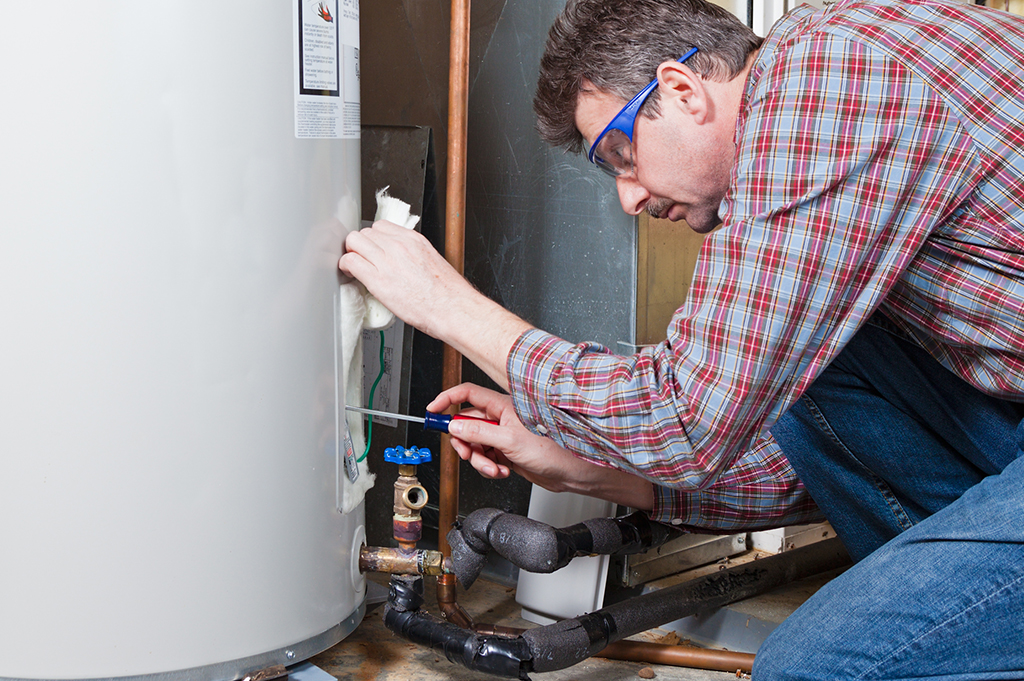
Changes in the color or smell of your water may be from your water heater, or from a wider issue with water quality, especially if you’re on well water.
Rusty or brown water? The inside of the tank or pipes may have corrosion. Cloudy water? This could be air bubbles from pressure changes, or from excess sediment in the water.
If your water smells like rotten eggs, sulfur-reducing bacteria in the water heater may be interacting with the anode rod and causing this unpleasant smell.
What to Do if You Suspect Water Heater Problems
If you’re struggling with water heater issues at home, it’s always best to contact your plumbing expert for repair advice. There are a few steps you can take to minimize damage, especially in the case of leaks.
1. Locate the Water Supply Shut-Off Valve
It’s important to shut off the water supply to prevent damage if your water heater has a serious leak. You may also be able to place a bucket to collect the water until a plumber arrives and to prevent a complete loss of hot water.
2. Check for Leaks
Look around the base, fittings and valves of the water heater to see if moisture is present or water is pooling.
3. Listen for Unusual Noises
Changes in the type and volume of sound can help identify issues.
4. Check the Water Temperature
Take note of whether the water from your tap is inconsistent, too hot, too cold or not hot at all.
5. Check the Pressure Relief Valve
See if water is dripping or flowing from around the valve, which is located at the top or side of most tank and tankless water heaters. Also look for signs of corrosion or moisture. For your safety, avoid moving or resetting the valve.
When to Call a Plumber for Your Water Heater Problems
When in doubt, it’s always best to call a professional to service your water heater. Issues such as significant leaks, discolored water, a complete lack of hot water and loud hissing or screeching noises from the water heater often require immediate attention.
At Kinetico, we offer a 24/7 emergency plumbing program for after-hours services, available at select Kinetico Advanced Water Systems locations. Get a free quote on plumbing services today by calling us at (888) 788-3181.