

Understanding the Difference Between a Boiler and a Water Heater
Understanding the Difference Between a Boiler and a Water Heater
Despite similarities in name, water heaters and water boilers serve two very different purposes in the home. Both systems involve heating water, however, how they work and what they’re designed to do will have distinct impacts on your daily life.
What Is a Boiler?
A water boiler is a type of appliance primarily used for space heating in a home or commercial building. It heats water or produces steam and circulates the generated heat through your space via radiators, baseboard heaters, radiant floor tubing or a hydronic coil.
A boiler works to create heat, while a separate system such as the radiator will deliver that heat to the rooms.
How Does a Boiler Work?
Most boilers will use either heated water or steam, circulating it through piping to heat emitters such as baseboard heaters or radiators.
Boilers are built to move heat efficiently throughout your space — not to provide hot water to sinks, showers, etc. like a hot water heater. However, some boilers can be integrated with a hot water heater in a combination unit.
Types of Boilers
Water Boiler: Also called a hydronic boiler, these are the most common type of boiler, heating water and circulating it through pipes to the heat emitter.
Steam Boiler: These heat water and create steam, which moves through pipes to steam radiators. Steam boilers operate at higher temperatures than water (hydronic) boilers and are often less energy efficient. They are not typically compatible with radiant floor systems or hot water baseboard heaters.
Combination Boiler Water Heater: Also called a combi boiler, these provide both space heating and hot water through a single unit, often better-suited to smaller homes without high water demands.
Oil Boiler: Most boilers use natural gas and/or electricity to run. For homes and buildings without natural gas service, oil-fired boilers are more common. Energy-efficient models are available, though oil boilers are generally less efficient and require more maintenance compared to gas water or steam boilers.
What Is a Water Heater?
Water heaters heat water for daily use, from showers and sinks to laundry, dishwashers and other appliances.
Compared to water boilers, water heaters will not heat your home or distribute heat through radiators the way a boiler does, unless part of a combined, integrated system.
How Does A Water Heater Work?
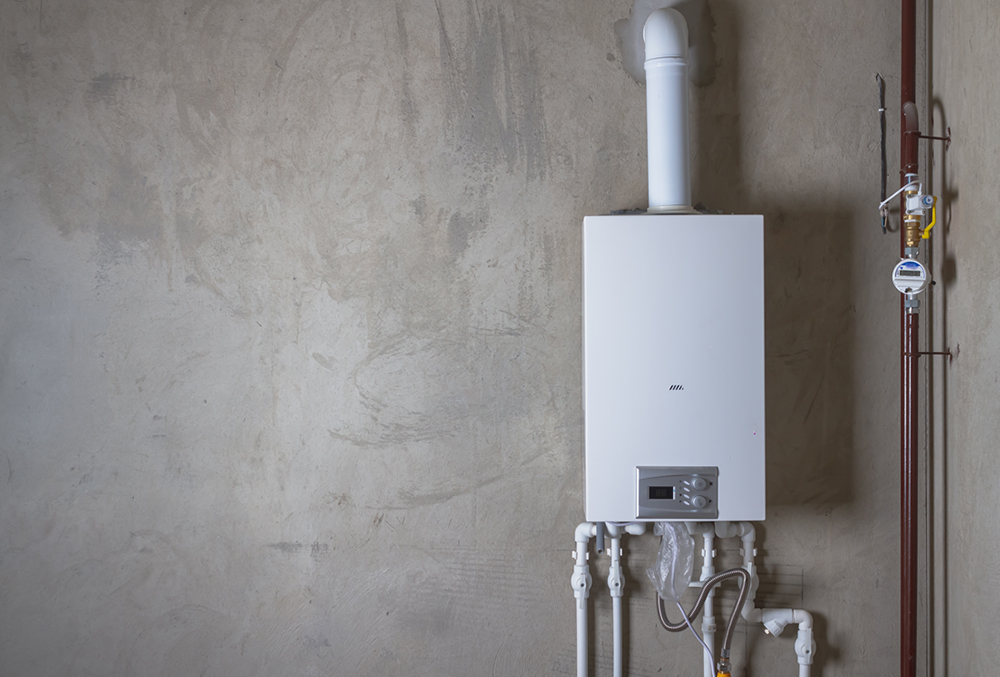
There are two common types of water heaters: tank and tankless. Both use a heating element powered by gas, electricity or in some cases oil to heat water for use. Storage tank water heaters keep hot water in a reservoir, while tankless heaters heat water on demand and look different, like a box mounted on the wall.
Types of Water Heaters
Tank Water Heater: Storage tank water heaters typically hold 40 to 80 gallons of hot water ready for use, depending on the unit and home size. They maintain temperature even when water isn’t in use, causing some energy inefficiency through standby heat loss.
Tankless Water Heater: Tankless water heaters provide an unlimited supply of hot water on demand, up to their maximum flow rate (output), which is typically 2-5 gallons per minute. Avoiding standby heat losses, they are up to 34% more energy efficient than tank-style water heaters and have a lifespan of more than 20 years, according to the U.S. Department of Energy.
Indirect Water Heater: These use your home’s space heating system, typically a water boiler, as the heat source for the water. The boiler heats water in a closed loop, circulating it through a heat exchanger inside a storage tank. The heat is transferred to the home’s potable water supply, resulting in hot water for everyday use.
Similarities & Differences Between a Boiler and a Water Heater
Both water heaters and boilers heat water using a fuel source such as natural gas, electricity, oil or propane. However, they’re designed for different purposes — to either heat your water, your home or both.
Function
Water boilers primarily are used for space heating, for example via hot water or steam radiators. A water heater produces hot water for fixtures and appliances.
Heat Distribution
Boilers distribute heat through a piped system, such as a baseboard unit or radiator. Water heaters deliver hot water to faucets and appliances through plumbing lines.
Steam Production
Some boilers will create steam for heating. Standard residential water heaters do not use steam.
Complexity
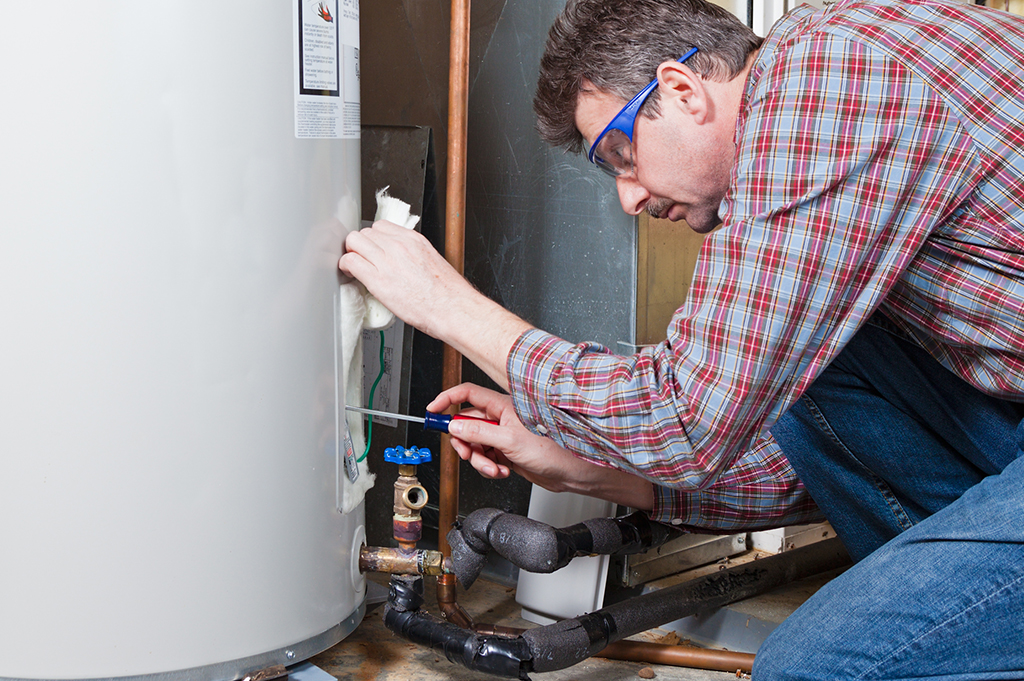
Boilers are typically more complex than water heaters because they are part of a whole-building heating system, using distribution piping, pumps and pressure controls to generate and circulate heat. Water heaters, in general, are more self-contained and connect directly into the plumbing system.
Efficiency
High-efficiency models are available for water boilers and water heaters, though efficiency varies widely by model and fuel type. Boiler efficiency is commonly measured using AFUE (Annual Fuel Utilization Efficiency), with water heater efficiency measured using UEF (Uniform Energy Factor).
Cost
Boilers are often more expensive to install than water heaters. Tankless and indirect water heaters also can carry high upfront costs compared to standard storage tank heaters.
Maintenance
Both systems will require routine maintenance and annual inspection for optimal performance. Boilers may require more specialized servicing due to their design complexity. For water heaters, periodic maintenance helps extend lifespan and minimize efficiency loss, especially to reduce scaling and sediment buildup in homes and businesses where water treatment is not installed.
Lifespan
The lifespan of any appliance depends on the care and upkeep, as well as the brand, type and model specifications. In general, boilers have a service lifespan of 20-25 years, according to the ASHRAE Handbook on residential appliances.
The Department of Energy lists a 10-15 year lifespan for tank water heaters, and 20+ years for tankless.
Contact Kinetico for Your Water Heater and Plumbing Needs
Enjoy total water management for your home or business with Kinetico, whether you need a new water heater, plumbing service or cleaner, better-tasting water.
Reach out to our team for more information about plumbing services, available at select locations in North Carolina and Virginia. Or, schedule your free water test to see what’s in your water and protect your water heater, boiler and appliances from harmful scale, minerals and other contaminants in tap water.